Construction Company Brand Voice: Why Most Are Getting It Wrong
Construction company brand voice challenges? AltCMO helps you build a compelling brand voice that wins clients. Learn more.
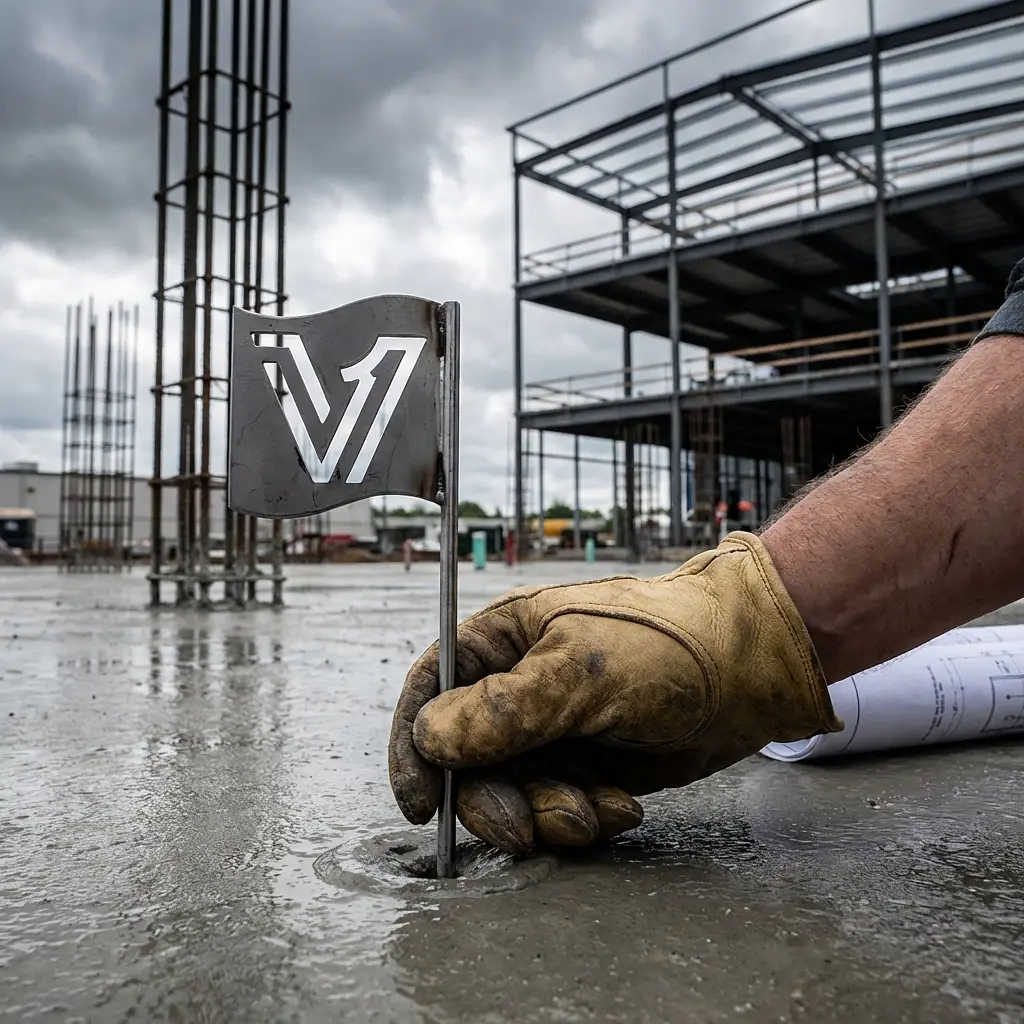
Most Construction Companies Are Destroying Their Brand Voice
Brand voice isn’t just about consistency; that’s the baseline.
Most companies treat brand voice like paint color. They obsess over matching the exact shade across every wall, every channel, every piece of content. The style guide gets thicker. The approval process gets longer. The content gets more predictable.
The business results get worse.
Here’s what actually happens when you stop at consistency. Your marketing materials bore people. Your sales team can’t get traction. Your prospects listen but don’t act. Deal velocity turns glacial because nobody feels compelled to move.
Consistency is finishing work. Brand voice is structural.
The Real Problem With Playing It Safe
Companies default to cold, professional content because they’re terrified. They think calling out the industry is unprofessional. They believe taking a stand will alienate potential customers. Stepping away from the pack feels dangerous.
This fear creates a specific filtering problem.
Safe brand voice attracts buyers who listen but never act. These prospects enter your pipeline, consume your content, attend your demos, and then vanish into endless internal discussions. The average B2B sales cycle now stretches past six months, with dealsstalling in email purgatory while momentum dies in stakeholder debates.
You’re not getting bad leads. You’re getting the wrong leads, or at least unmotivated ones.
The pack-mentality voice filters for passive listeners instead of action-takers. It signals safety, caution, and committee thinking. Those are the buyers you attract.
Why Cold Professionalism Kills Deal Velocity
Most companies push for action before they energize buyers. The content jumps straight to CTAs without building the pressure that moves people. This creates a structural failure in how deals progress.
Prospects don’t just need information. They need ammunition.
B2B purchases involve an average of 6-10 stakeholders, with 87% of deals involving four or more decision-makers. Your prospects spend only 17% of their total purchase time talking to vendors. The other 83% they’re selling internally.
Your brand voice becomes the tool they use to convince their team.
When your voice lacks energy, your prospects can’t weaponize it. They struggle to communicate your value to decision-makers. They can’t get others on board internally. The deal stalls because your messaging doesn’t give them a call to arms they can evangelize.
This is the structural shift most companies miss. Voice isn’t just outward-facing marketing. It’s the infrastructure that determines whether prospects can sell for you when you’re not in the room.
The Consistency Trap
Research shows thatover-branding makes companies predictable and monotonous. When a carefully crafted brand voice gets applied everywhere, it becomes grating. The repetition kills creativity and erodes engagement.
The psychology is clear. Consistency provides comfort, but creativity provides the novelty humans need to stay engaged. Over-branding tips the scale too far toward familiarity and eliminates the excitement that sustains interest.
You need a flag planted, not a style guide memorized.
Companies obsessing over tone consistency are building on unstable ground. They’re treating voice as decoration when it functions as a load-bearing structure. The weight of market positioning, customer filtering, and internal selling all rest on whether your voice can carry that pressure.
Consistent but boring voice collapses under that weight.
Brand Voice as Structural Decision
Voice determines which customers you can serve and which markets you can enter. This isn’t about personality or differentiation. It’s about building infrastructure that supports specific business outcomes.
Here’s what changes when you treat voice as structural:
- Your voice filters prospects before they enter your pipeline. The wrong voice attracts tire-kickers who consume resources but never convert. The right voice repels bad-fit customers and magnetizes action-takers who move fast.
- Your voice enables internal selling. When prospects need to convince their CFO, their legal team, or their executive sponsor, your messaging becomes the script they use. A weak voice gives them nothing to work with. Strong voice arms them for battle.
- Your voice determines deal velocity. Companies with a voice that energizes before asking see prospects move through pipelines faster.
This is why consistency alone fails. You can have perfect tone matching across channels while your structural requirements collapse.
The Three Non-Negotiable Elements
Building voice as infrastructure requires three elements. Not suggestions. Requirements.
- Audience focused. Your voice speaks directly to the hero pain points your buyers face. Not the problems you want to solve. Not the features you’re proud of. The friction they feel every day that makes them search for solutions.
- Unique. Your voice plants a flag that separates you from the pack. This doesn’t mean quirky personality or clever wordplay. It means taking a position on how your market should operate and defending it without apology.
- Potentially controversial. Your voice calls out the industry while protecting your buyers. This is the line most companies won’t cross. They want to be bold without risking offense. That’s impossible.
Controversial means exposing the practices that hurt your customers. It means identifying the competitors whose problems your solution addresses. It means championing your buyers better than they understand themselves.
The companies playing it safe think they’re being bold. They use slightly edgier language in their headlines. They add a mildly contrarian take in their content. They congratulate themselves for pushing boundaries.
The market ignores them anyway.
What Calling Out the Industry Actually Looks Like
Real controversy protects buyers by attacking the systems that exploit them. Yahoo’s collapse demonstrates what happens when brands chase differentiation without coherence. They pursued conflicting strategies, leaving customers wondering what the brand actually did for them, while competitors built cohesive positions.
The winning move isn’t differentiation. It’s de-positioning.
You remove competitors from consideration by solving problems so effectively that alternatives become obviously inferior. This requires calling out those alternatives and explaining exactly why they fail your shared customers.
Most companies won’t do this. They’re afraid of burning bridges, creating enemies, or looking unprofessional. This fear keeps them trapped in the pack while their prospects struggle to tell them apart from every other option.
The Implementation Problem
Installing voice that works as infrastructure bypasses committees. This is the friction point where most initiatives die. The legal team wants to soften claims. The executive team wants to appeal to everyone. The marketing team wants to preserve relationships with industry partners.
Every stakeholder has reasons to pull back from the edge.
You can’t build structural voice through consensus. The committee process produces exactly the safe, professional content that fails to energize buyers. The approval chain removes controversy, waters down positioning, and strips away the elements that make voice work as a filtering mechanism.
The path forward is difficult but workable. You need executive sponsorship that protects controversial positioning from committee dilution. You need content creators who understand the structural requirements and can execute without constant approval loops. You need metrics that measure business outcomes, not brand safety.
Consistent brand presence can increase revenue by up to 23%, but this isn’t about style guide consistency. It’s about voice as infrastructure that carries the weight of market positioning, customer filtering, and internal selling.
Stop treating brand voice like finish work. Start building it as a foundation. Plant your flag. Call out the industry. Protect your buyers. Give your prospects ammunition they can use to sell internally when you’re not in the room.
The companies that do this see deal velocity accelerate. The ones that don’t keep wondering why their perfectly consistent brand voice produces perfectly mediocre results.
Build a voice that bears weight or watch your market position collapse under pressure.
The Importance of a Unique Brand Voice in Construction
A unique brand voice is crucial for construction companies to stand out in a crowded marketplace. It helps convey the company's values, mission, and personality, making it easier for potential clients to connect emotionally. By developing a distinctive voice, construction firms can differentiate themselves from competitors who may rely on generic messaging.
For instance, a construction company that emphasizes sustainability can adopt a voice that reflects its commitment to eco-friendly practices. This not only attracts like-minded clients but also positions the company as a leader in an increasingly important area of concern for many stakeholders. A strong brand voice can ultimately lead to increased trust and loyalty among clients.
Aligning Brand Voice with Business Objectives
Aligning your brand voice with business objectives ensures that every piece of communication supports your strategic goals. This alignment allows construction companies to convey messages that resonate with their target audience while driving business results. When the brand voice reflects the company's vision, it enhances clarity and purpose in all marketing efforts.
For example, if a construction firm aims to expand into new markets, its brand voice should convey confidence and expertise in those areas. By using targeted messaging that speaks directly to potential clients' needs, the company can effectively position itself as a trusted partner in their projects. This strategic alignment can also improve internal communication, fostering a unified approach across teams.
Overcoming Resistance to Change in Brand Voice
Many construction companies face internal resistance when attempting to shift their brand voice. Employees may be accustomed to traditional messaging styles and hesitant to embrace a more dynamic approach. Overcoming this resistance is essential for successfully implementing a brand voice that resonates with modern audiences.
To facilitate this transition, companies can involve team members in the rebranding process, encouraging their input and addressing concerns. Providing training on the importance of a strong brand voice and how it impacts business outcomes can also help ease apprehension. By fostering a culture of openness and collaboration, companies can create a brand voice that reflects collective values and aspirations.
Measuring the Impact of Brand Voice on Business Success
Measuring the impact of brand voice on business success is vital for understanding its effectiveness. Key performance indicators (KPIs) such as lead conversion rates, customer engagement metrics, and brand perception surveys can provide insights into how well the brand voice resonates with the target audience. By analyzing this data, construction companies can make informed adjustments to their messaging strategies.
For instance, tracking changes in lead quality after a brand voice overhaul can reveal whether the new messaging is attracting the right prospects. Additionally, soliciting feedback from clients about their perceptions of the brand voice can help identify areas for improvement. Continuous measurement and adaptation ensure that the brand voice remains relevant and impactful in achieving business objectives.
Keep reading
August 9, 2026
The Backlog Iceberg: What Construction Leaders Miss About Winning Work - AltCMO Construction Marketing and Fractional CMO Services
August 2, 2026
Construction’s Biggest Companies Still Believe in SEO. Their Websites Don’t Always Show It. - AltCMO Construction Marketing and Fractional CMO Services
July 26, 2026
The Fastest Competitive Divide Construction Has Ever Seen - AltCMO Construction Marketing and Fractional CMO Services
Ready to build momentum?
Tell us where you are today. You get one reply from a marketing executive, not a sales rep.
 5.0 rating
from contractors
Our Trusted Clients


