
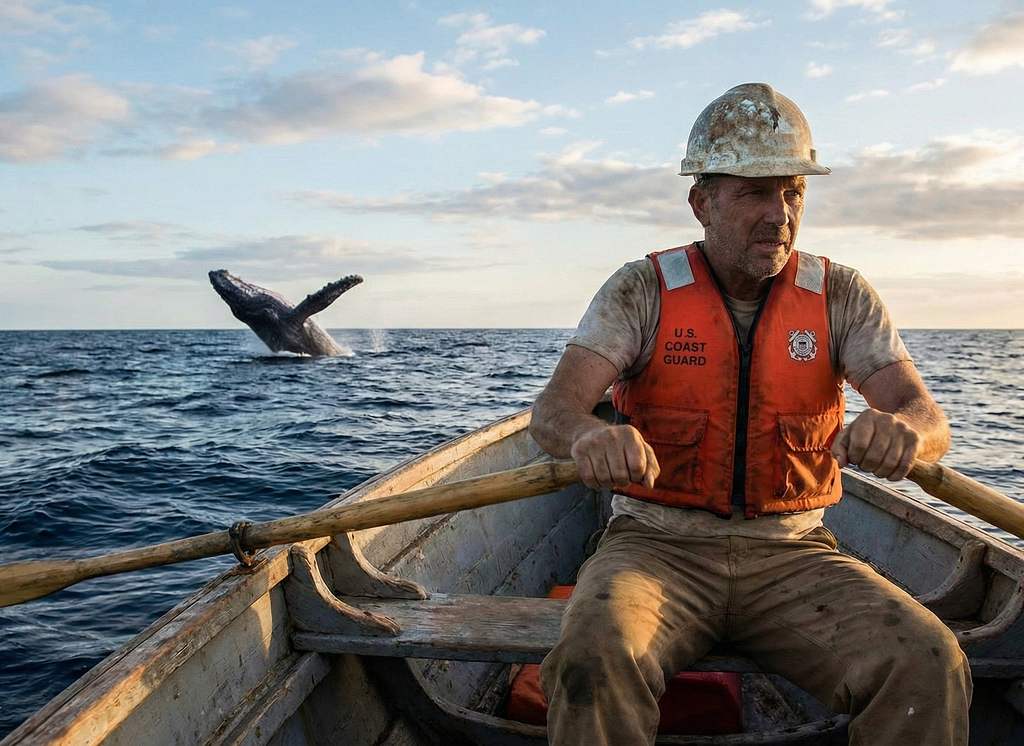
Contractors tell themselves they can’t land high-value clients because they don’t have the right relationships. Wrong. The relationship excuse is a comfortable lie that protects them from facing the real problem.
When contractors finally get in front of whale clients, they get disqualified immediately. Not because of their work quality. Not because of their pricing. They look amateurish, and their sales pitch repels the exact clients they’re trying to attract.
Good marketing should work like a magnet. Most contractor marketing works like a repellent.
The Amateur Look That Kills Deals
Whale clients spot amateur contractors in seconds. Generic design. Dated messaging. Company-focused content that talks endlessly about services and capabilities. The contractor thinks they’re showcasing experience. The whale sees someone who doesn’t understand how business works at their level.
Here’s what contractors miss. People are selfish. They want to be the focus, especially for larger clients. When contractors focus on services and capabilities, they position themselves as order-takers. Order takers don’t get hired for strategic work. They get hired when someone needs a commodity provider who competes on price.
68% of B2B buyers choose vendors based on the vendor’s knowledge of their company and needs, not on the vendor’s knowledge of their own capabilities. Contractors who lead with “we offer quality work” or “we have 20 years of experience” are answering questions nobody asked.
The Board Justification Test
Large purchases require justification. When a whale client needs to explain their hiring decision to a board or stakeholders, they can’t use the language contractors give them. They explain that this contractor is “capable” or “cheaper.” Those words don’t survive scrutiny from senior decision-makers.
They don’t use words like “experts” or “best” or “similar culture.” Generic contractors can’t be justified to boards because there’s nothing distinctive to justify. The average B2B purchasing process now involves 6-10 decision-makers, each armed with 4+ pieces of independently gathered information. When contractors position themselves as capable or cheaper, they can’t survive scrutiny from this expanded group.
Only expert status holds up across multiple stakeholders.
What Actually Earns Expert Status
Contractors think differentiation means promising quality, reliability, or customer service. When 10 out of 10 contractors say “on time, on budget,” it becomes noise instead of messaging.
64% of B2B buyers can’t distinguish one brand’s digital experience from another.
Actual differentiation requires three elements. Showcase expertise through content. Use audience-focused messaging that addresses client problems. Build a distinct brand personality that enables justification.
This means blogs, guides, webinars, presentations, and podcasts. Not for visibility. Not for reputation building. For elimination.
How Content Eliminates Competitors
Thought leadership advances the sales process by removing other contractors from consideration.
86% of decision-makers say they’re likely to invite companies that consistently produce high-quality thought leadership to participate in RFPs. Expertise separates contractors from generalists and order takers.
The mechanism is simple. Contractors move themselves into a smaller pool by raising the bar of qualifications to compete. When whale clients consume content that demonstrates a deep understanding of their problems, they eliminate everyone who can’t match that level of expertise. The competitive set shrinks.
73% of B2B buyers consider thought leadership a more trustworthy basis for judging competencies than traditional marketing materials or product sheets. Sales pitches don’t build trust. Demonstrated expertise does.
The Personalization Paradox
Contractors believe they should personalize everything for each whale client. Customize proposals. Tailor presentations. Adapt their approach. This thinking is correct but incomplete.
Whales want proof you’ve solved their exact problem for others like them. Personalization works when contractors tailor content to clients’ problems and provide clear answers to their challenges. The balance matters. Too much customization looks like you’re figuring it out for the first time. Too little looks like you don’t understand their situation.
Account-based marketing relies on personalized outreach and tailored messaging. But the foundation must already exist. The expertise must be proven. The infrastructure must be built.
Why Fear of Standing Out Blocks Your Marketing SuccessThe Real Resistance
Fear of standing out stops contractors from building marketing infrastructure. It feels risky to limit your pool of prospects. They’d rather stay safe in a crowded pool competing on price than risk standing out and being different.
This isn’t humility. This isn’t focused on operations. This is laziness and fear dressed up as business strategy. Building a distinct brand, creating thought leadership content, developing modern digital presence, and defining ideal client profiles—this work is hard. It requires intellectual effort and emotional courage.
Contractors who refuse to do this work aren’t protecting their business. They’re protecting their comfort.
What Changes When Infrastructure Gets Built
When contractors finally build a proper marketing infrastructure, whale clients stop treating them like vendors. The relationship changes first. Whales appreciate the outreach. They enjoy the interaction. The dynamic shifts from transactional evaluation to strategic partnership consideration.
This isn’t about getting lucky with one big client.
60% of B2B decision-makers say they’re willing to pay a premium for organizations that provide valuable thought leadership. Infrastructure doesn’t just open doors. It commands pricing power.
The contractors who land whale clients aren’t the ones with the best relationships or the longest track records. They’re the ones who built the foundation that makes justification possible, expertise demonstrable, and differentiation real.
Stop waiting for the right relationships to magically appear. Build the infrastructure that makes whales want to know you. The work is hard. Do it anyway.