
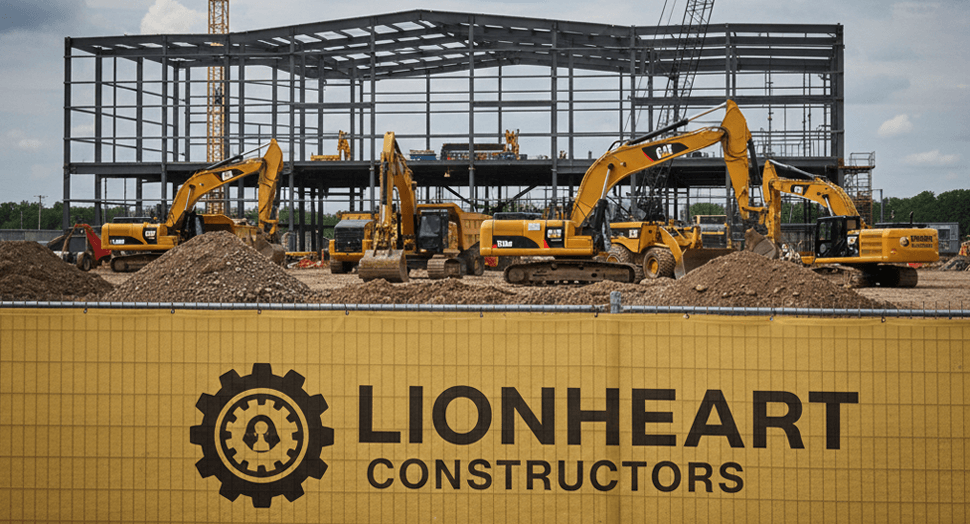
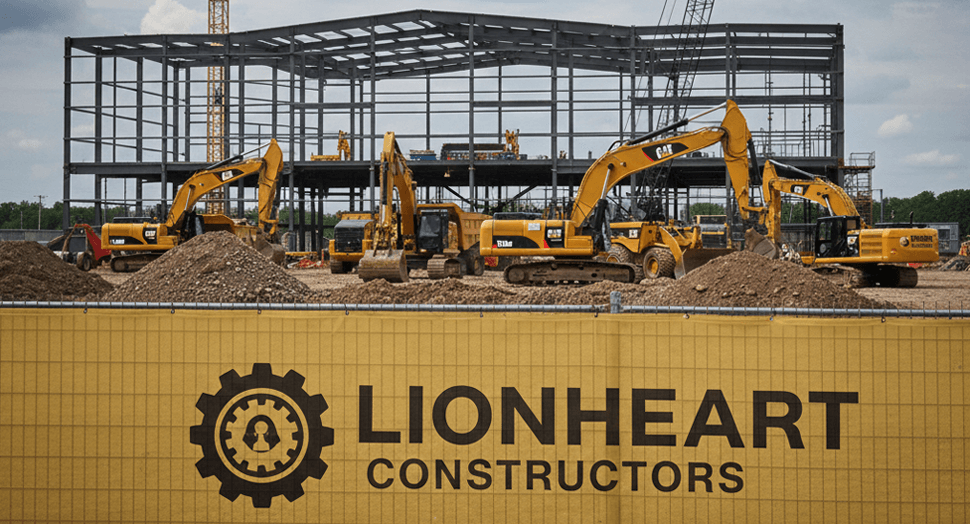
I drive past construction sites every day and see the same thing: plain chain-link fences with maybe a single 4×8 sign by the entrance.
That’s a missed opportunity to showcase which general contractor is leading the project.
Here’s what bothers me about this. Companies pay thousands of dollars monthly for billboards. But many construction companies won’t invest a fraction of that cost to wrap their jobsite fence, which stays visible for months, sometimes years.
The Cost-Based Decision That Misses the Point
When a construction CFO looks at jobsite fencing, they see it as a line item to minimize. The cheapest option? No signage. The next cheapest? That standard 4’x8’ sign.
But here’s what most people don’t realize: jobsite branding can be buried in project costs instead of the marketing budget.
I’ve seen projects where the general contractor shares the fence wrap cost with the owner and the architecture firm. If you’re paying solo, you don’t need to print every panel. Print every third or fifth panel to showcase your name while staying cost-efficient.
The real question isn’t about cost. It’s about whether you’re proud enough of your work to claim it as your own.
The Other Neglected Fence
Most construction companies dabble in Google AdWords. They’re bleeding money on unqualified clicks.
Advertising to generic keywords like “Dallas construction” means both residential and commercial prospects click that link, driving up your acquisition costs.
Geofencing fixes this problem, but construction companies treat it like some futuristic concept rather than a tool they can use now.
Here’s how geofencing actually works: You tag the phones of people who enter a virtual perimeter during a specific time period. Then you show them your ads during that time and for 14 to 30 days afterward.
The key insight? Don’t geofence construction conferences. Geofence where your clients are, like healthcare conferences, industrial events, and developer summits.
Studies show geofencing campaigns can increase foot traffic by up to 25% and improve conversion rates by 20%. That’s not theory. That’s measurable ROI.
The Compound Effect
When you combine jobsite fence branding with geofencing, something interesting happens.
Prospects drive around town and see four to six of your branded jobsites. They realize you’re in demand. Then they attend their industry conference and get geofenced with your ads for the next two weeks.
Suddenly, you’re everywhere they look.
This alignment delivers increased click-through rates, more conversions, faster pipeline velocity, and better clients with healthier margins.
What to Do Tomorrow Morning
If you’ve never done either of these strategies, start simple:
-
Wrap your most visible construction projects. Choose the jobsite with the highest traffic exposure. Make that project impossible to ignore.
-
Pick one event where your prospects will be. Test geofencing at a single conference or trade show. Measure what happens.
The construction companies that are already maximizing both fences are enjoying lower client-acquisition costs and higher profits, while everyone else debates whether it’s worth the investment.
Your jobsite is often the first point of contact for potential clients and partners. An unbranded jobsite isn’t just a missed opportunity; it’s a strategic oversight that costs you visibility every single day.
The marketing real estate is already there. You’re already paying for the fence.
The question is whether you’ll use it.