


When talking with construction leaders about their marketing, I hear things like, “We submitted 50 proposals last year.”
That’s not marketing because proposals aren’t marketing. They’re a sales function. And confusing the two is why you’re stuck at the same revenue, fighting for margins, and working harder for less money.
The Costly Confusion
When I tell construction leaders their proposal coordinator isn’t handling marketing, the response is always the same: “I thought that was marketing.”
Here’s what they’re actually missing: branding and positioning, thought leadership, sales enablement, advertising, jobsite branding, employee recruiting, community involvement, events, and client experience.
All of it.
Marketing creates the proposal template, the brand, and the positioning. But putting together a proposal? That’s business development work.
I’m not the only one who thinks that. SMPS published Blueprints 3.0 (Guides for Marketing and Business Development Professionals and Departments in the A/E/C Industries) in 2021.
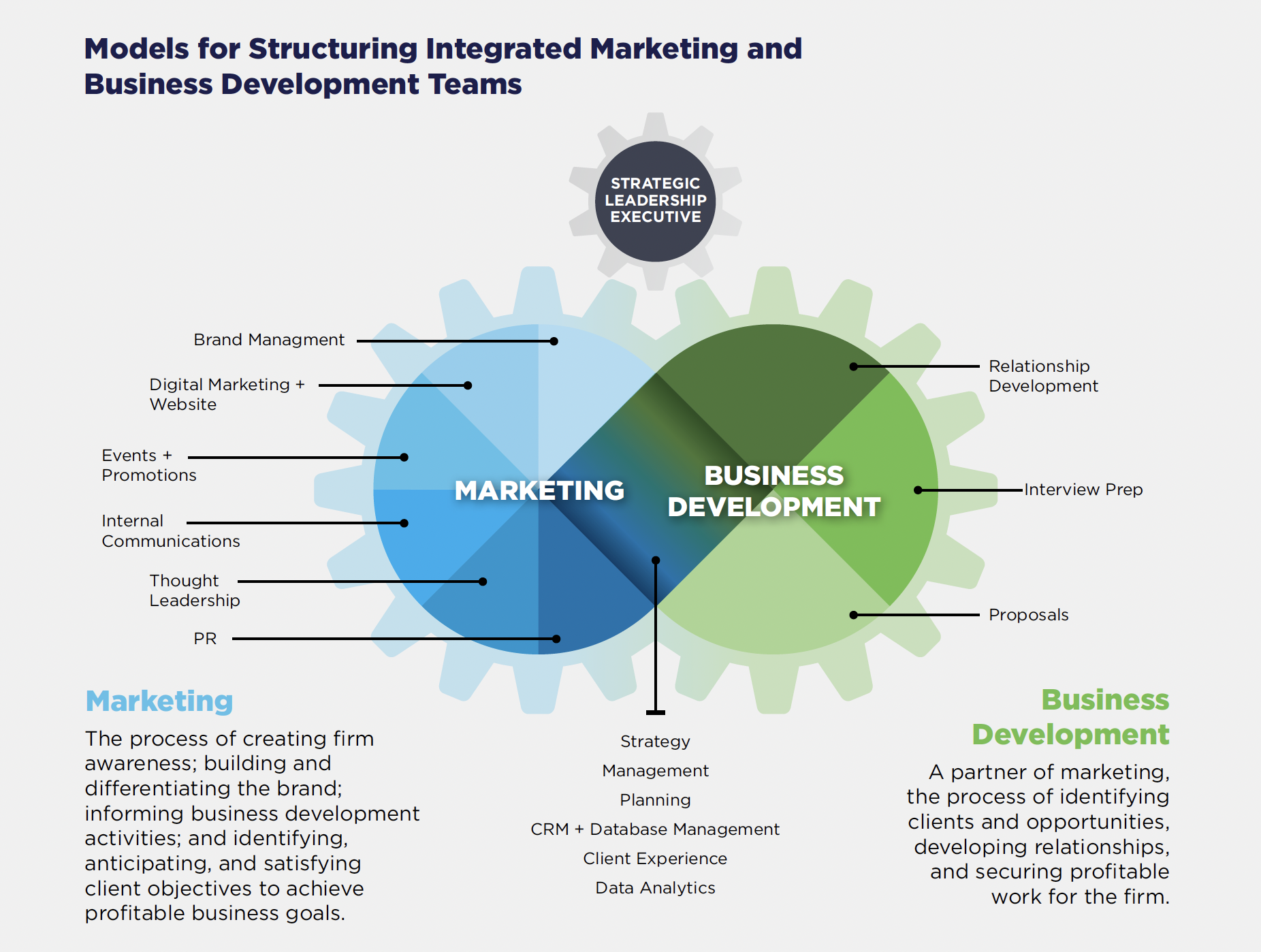
Note proposals in the lower right underneath Business Development.
The Lottery Ticket Mentality
Construction executives treat proposals like raffle tickets. Submit more bids, and get more chances to win.
Here’s the truth: You’ll win more work submitting 20 proposals than 100 if you spend the same total time on them.
Good marketing defines your target clients. It tightens your go/no-go scoring. You submit fewer proposals because you’re not chasing clients you have slim to no chance of winning. [See my view on submitting blind proposals for exposure.]
With good marketing, the proposals you do submit should be better positioned, more personalized, and have a much greater chance of winning.
Competing as a Stranger
When clients don’t know you before the proposal lands, they’re skeptical.
When you don’t know the client’s real reasons for doing the project (aka their concerns and pain points), you’re just telling them you’re qualified.
You’re left competing solely on price.
Real marketing creates the conditions where you know those things before the proposal is written. Thought leadership attracts like-minded clients. Account-Based Marketing (ABM) targets high-value prospects before an RFP exists. Sales enablement gives your team personalized materials.
The key to ABM? Define ideal clients. Rank and tier prospects. Stop chasing everyone.
Not chasing poor fits gives sales more time to pursue high-ranked prospects properly.
The Wake-Up Call: Proposals Belong in Sales, Not Marketing
Your proposal coordinator does important work, but calling it “marketing” is why you’re leaving money on the table.
Stagnant revenue. Slipping margins. Increasing turnover. You’re working harder and can’t figure out why.
The answer is simple: Proposals are the end game. Marketing is what makes them winnable before you write them.
Related Pages:
Understanding the Role of Marketing in Construction
Marketing in the construction industry goes beyond mere proposals; it encompasses a strategic approach to establishing a brand and connecting with potential clients. Effective marketing involves creating awareness, building relationships, and positioning yourself as a trusted authority in the field. This understanding is crucial for construction leaders who want to leverage marketing to drive sales rather than confuse it with the sales process itself.
For example, a well-executed marketing strategy can include digital advertising, social media engagement, and community involvement, which all contribute to a strong brand presence. By differentiating marketing from sales functions, construction businesses can focus on developing comprehensive strategies that lead to more effective proposals and ultimately, increased revenue.
Key Marketing Strategies for Construction Firms
To enhance marketing efforts, construction firms should implement key strategies that align with their business goals. These strategies include branding, thought leadership, and sales enablement, which collectively contribute to a more robust marketing framework. By focusing on these areas, firms can improve their visibility and reputation within the industry.
For instance, establishing a thought leadership presence through industry publications or webinars can position a firm as an expert in specific construction niches. Additionally, investing in branding ensures that all marketing materials, including proposals, reflect a consistent and professional image that resonates with potential clients.
Measuring Marketing Success in Construction
Measuring the effectiveness of marketing efforts is essential for construction firms aiming to optimize their strategies. Key performance indicators (KPIs) such as lead generation, conversion rates, and client feedback provide valuable insights into what is working and what needs improvement. These metrics help businesses refine their marketing approaches and ensure they are yielding the desired results.
For example, tracking the number of leads generated from a specific marketing campaign can help determine its effectiveness. By analyzing this data, construction firms can make informed decisions about where to allocate resources and how to adjust their marketing strategies for better outcomes.
Building Client Relationships through Effective Marketing
Effective marketing is not just about promoting services; it is also about building lasting relationships with clients. Understanding client needs and addressing their pain points through targeted marketing efforts can significantly enhance trust and loyalty. This relationship-building aspect is crucial in the construction industry, where projects often involve substantial investments and long-term partnerships.
Construction firms can foster these relationships by engaging with clients through personalized marketing communications, regular follow-ups, and providing valuable content that addresses their specific concerns. By prioritizing client relationships, firms can differentiate themselves from competitors and create a loyal client base that leads to repeat business and referrals.

